Price management in the e-shop — automatic pricing, monitoring and margin control
You have 20,000 products and some suppliers may change prices every month and you often find yourself selling products with a negative margin. No one on the team knows exactly how many products are currently being sold at a negative margin.
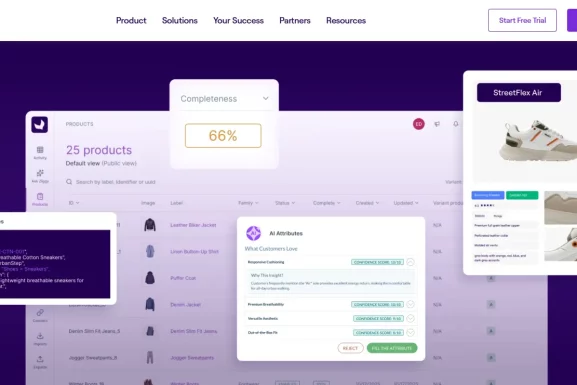
Lumav can build an automatic price management system for your e-business. Three solutions — rule-based automatic pricing, market monitoring and automatic margin control — give your team good insight to make pricing decisions.
When the Excel table and crafts no longer work
With a large number of products, the company no longer has the resources to manage pricing manually. A good solution needs human validation and mistakes made by too much automation, and changing prices too frequently for the end customer, reduces trust.
A prank no one wants to see
2000 products. It takes 1 minute to check the price of each product and, if necessary, update it. That’s 33 hours a month — more than a full work week just for updating prices.
An optimistic scenario
And that’s an optimistic scenario. In reality, analysis of supplier price lists, setting up campaign prices, manually checking market prices and correcting errors when someone enters the wrong price are added.
Mistakes in price management pay off quickly
It is one of the main, if not the most important, arguments on the basis of which the customer makes decisions.
The most common problems with managing prices manually
The supplier increases the price, but the old price remains in the e-shop
Every day you sell a product below cost, you lose money. And you might not find out for weeks.
Planning campaigns is difficult
There is no good overview of what campaigns to do and whether they are at all reasonable in terms of the market.
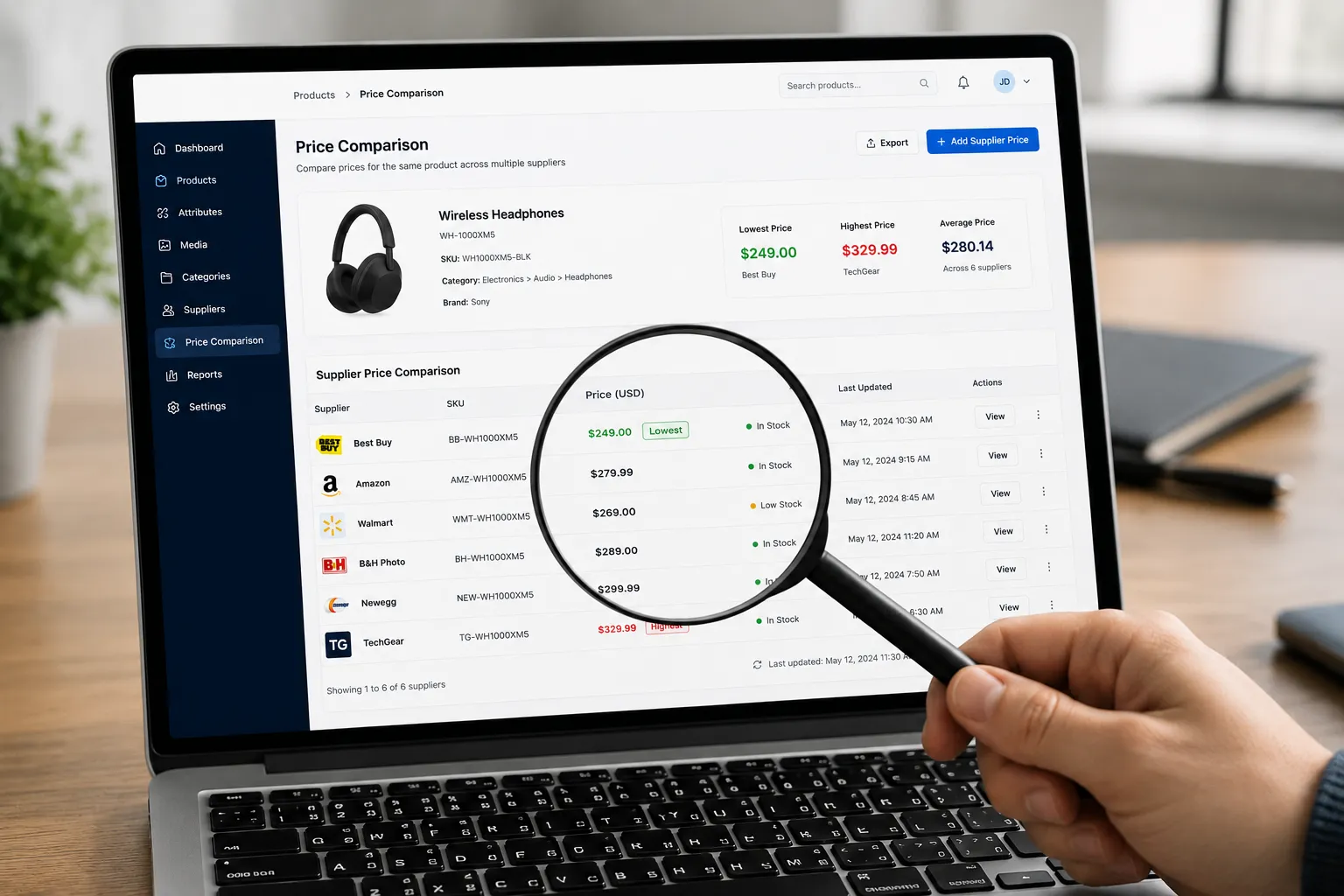
There is no good overview of comparing suppliers
You have bought more expensively, even though another supplier can sell the solution much cheaper. Not a good system for comparison.
The market price has long since changed, but you don’t know about it
You only find out about the missed opportunity afterwards, and you have to start from scratch to win the customer’s trust.
Lumav’s pricing management solution
Lumav creates a solution that enables your team to make faster and better data-based decisions and turns pricing into a competitive advantage. Good real-time insight = better and faster decisions.
Rule-based automatic pricing
We map out good practices, how your team currently sets prices, and based on that we create initial rules. The employee still makes the final approval.
Combining market monitoring and external data
The information may not be immediately usable but needs further processing. Information can be obtained and combined from various sources.
Automatic margin control
We show where the margin really disappears. The solution helps to identify products with a negative margin and provide the decision maker with the necessary information before the loss increases.
Ask for an analysis of price management
We will show you where your margin really disappears and which processes should be automated first.
How automated price management works
Data in one place
The e-shop does not have to go to different sources anymore, but can get everything important from one view.
The system makes a suggestion
The solution provides a price recommendation or alert when the supplier price, market price or margin needs attention.
The person approves the change
A change can be made with one mouse click. For fully automated solutions, the process must be very clear.
Why choose Lumav as a price management partner
Frequently asked questions
How to automate e-store price updates?
In our opinion, a good solution is primarily to make the work of decision makers easier and to bring the data to one place. The e-shopkeeper no longer has to go to different sources, but receives everything important, is given a proposal and makes a change with one click of the mouse.
For fully automated solutions, the process must be very clear.
What is rule-based pricing?
We map out good practices, how your team currently sets prices, and based on that we create initial rules. The employee still makes the final approval.
How to get information from external databases?
There are different tools for this. The information may not be immediately usable but needs further processing. Information can be obtained and combined from various sources. Read more in the blog post about obtaining market prices (price scrape)
Is price automation worthwhile even for a smaller assortment?
It can pay off when prices change quickly. We can also set up a streamlined version, which displays less data or is done less often. We can also monitor only one/most critical category as well.
Didn’t find an answer to your question? Contact us and we will answer you personally.